 Need a professional advisor?
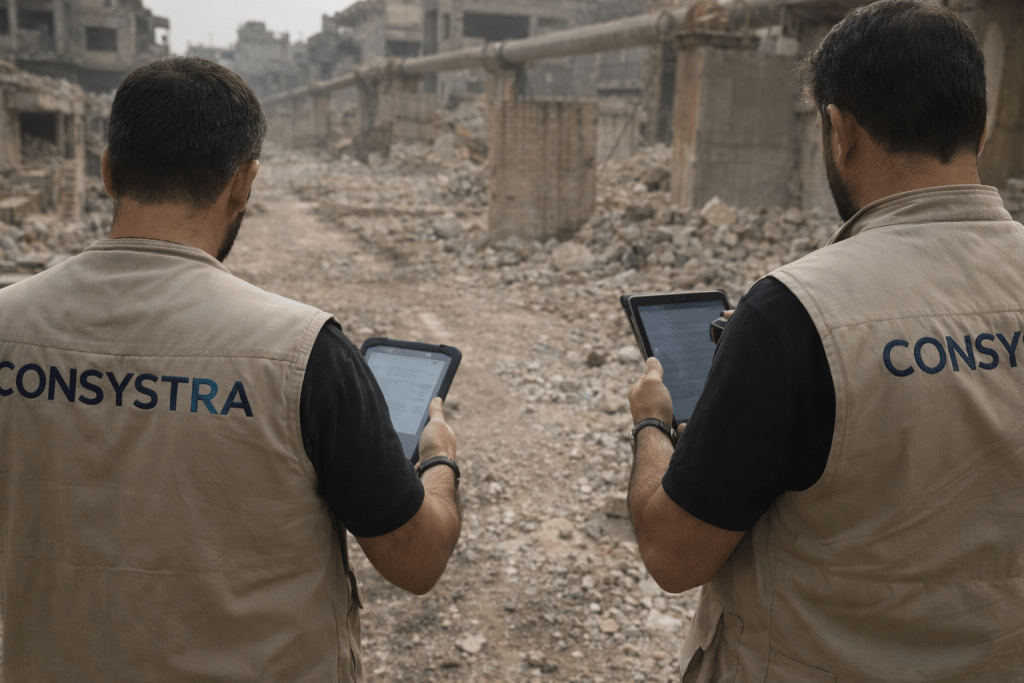
Secure Managing Process — Hama Cement Plant (Hama)

Context
After years of intermittent operation, the Hama Cement complex restarted Line-3 in 2025. A new government–industry agreement then targeted a rapid capacity jump: Line-3 rehabilitation from 3,300 to 5,000 t/day and an additional 6,000 t/day greenfield line to bring the site total near 11,000 t/day within five years. These figures framed our operational design and the realism of monthly throughput targets.
Problem
Production spiked in bursts but slumped when dispatch, fuel scheduling, and QC sign-offs weren’t synchronized. The plant’s weekly stock variance exceeded ±12–15%, and sales documentation lagged shipments—exposing revenue to leakage.
What we did
- Built a single “shift–dispatch” ledger (kiln uptime, clinker output, truck loads, and lab QC stamps on one sheet).
- Introduced a USD-indexed sales workflow (quotation → invoice → receipt) to stabilize pricing expectations in a volatile market.
- Staggered kiln maintenance to keep minimum baseload even during refractory work; added a 30-minute “handover audit” between shifts.
- Created a Friday “variance tribunal”—the week’s dispatch gaps >3% required root-cause documentation and fix-by dates.
Results (90 days)
- Dispatch variance narrowed to ±4.7% (from ~±13%).
- “Missing stamp” QC incidents dropped from 11/month to 2/month.
- Invoice cycle time (quotation to receipt) shortened from 8.2 to 4.5 days.
These gains were modest compared to total capacity plans, but materially improved reliability—critical while the national market is still recovering and capex ramps up.
Lesson
In heavy industry, process discipline (not new tech) delivers the first 10–15% of stability. Align kiln logs, lab stamps, and dispatch slips before chasing advanced automation.