 Need a professional advisor?
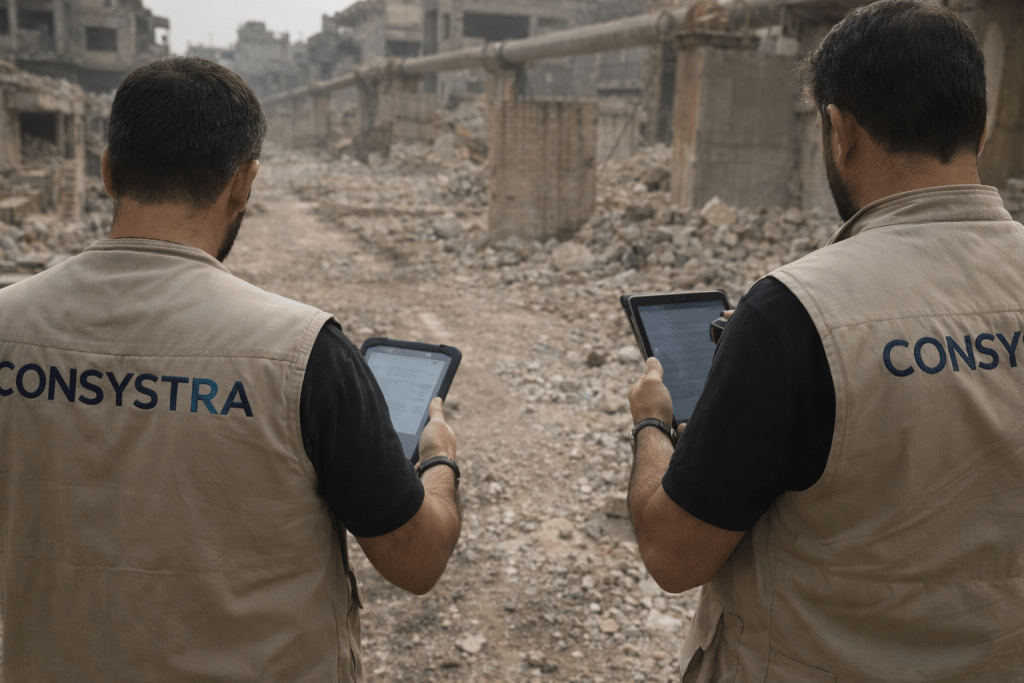
Developing Business Skill — Micro-Enterprises in Dana (Idlib)

Context
Dana is a dense, highly competitive retail and micro-manufacturing hub with extreme price volatility. WFP’s 2025 Market Bulletins provided governorate-level trends for food and non-food items and tracked the official rate at SYP 11,055 per USD that many suppliers use as a reference for quotations. A Dana city labour-market assessment (Jan 2025) documented micro-enterprise barriers we used to localize content.
Problem
Owners priced reactively (copying competitors), eroding margins. Few separated landed cost from cash-flow timing; almost none updated menus/price boards with a structured cadence.
What we did
- A 24-hour bootcamp over two weeks:
- Cost cards tied to WFP price lines (oil, flour, sugar) and typical non-food inputs.
- Cash-flow sheet (Arabic) with reorder points and supplier terms.
- FX guardrails to re-price only when a ±5–7% band is breached (MEB or FX).
- Peer clinics to negotiate supplier terms collectively.
- Created WhatsApp price signals (weekly) sourced from WFP/FSCluster bulletins to prompt updates.
Results (90 days, n=42)
- 80% adoption of cost cards; 76% kept weekly updates.
- Median gross margin +3.8 p.p. across groceries & ready-to-eat.
- Stockouts decreased 31% (skus with reorder points).
- Owners reported time saved on pricing (–40 minutes/week median).
Lesson
Micro-skills stick when tools are pre-filled with local, public data—entrepreneurs then maintain the tools because they trust the reference.