 Need a professional advisor?
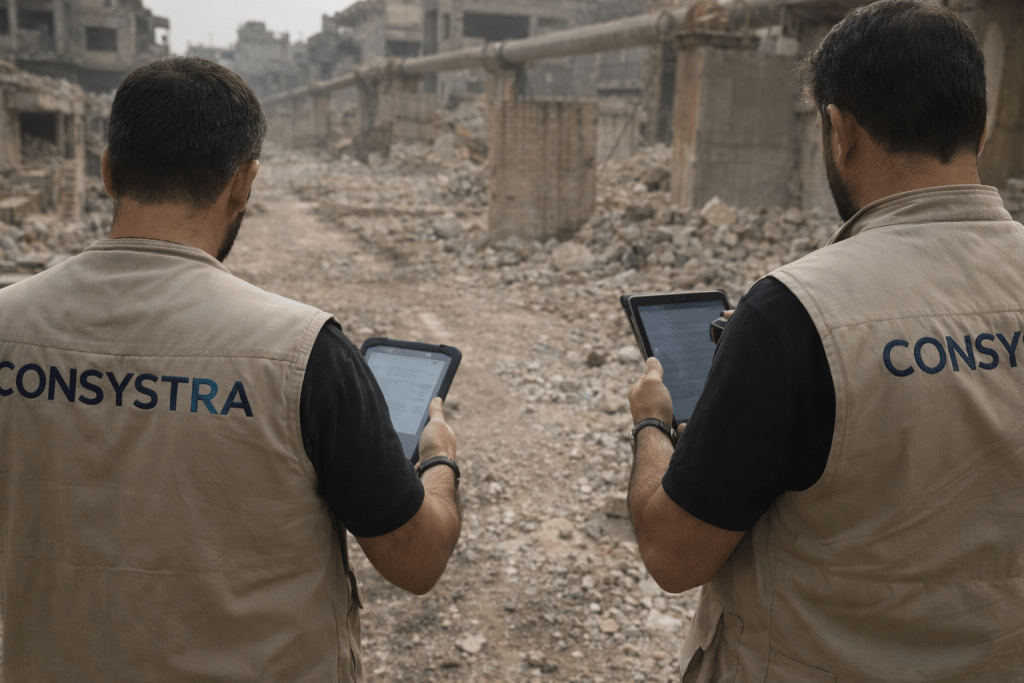
Collaborating With Companies — Latakia International Container Terminal (Latakia)

Context
Port throughput has trended down for years—containers –5% at Latakia and –38% at Tartous (2022→2023)—with operational and geopolitical drivers. In May 2025, the state renewed a 30-year concession with CMA CGM (≈€230m), including a 1.5-km / 17-m deep berth to modernize capacity. Mid-2025, maritime analytics reported a surge in port calls following policy shifts. Lloyd’s List+4Syria Report+4Reuters+4
Problem
Terminal KPIs (moves/hour, berth occupancy) were not shared across customs, forwarders, and trucking dispatch—creating mistrust and idle time at gates.
What we did
- Negotiated a public-private KPI compact among the terminal, shipping lines, customs, and the transport syndicate.
- Implemented a “green lane” for containers pre-cleared by risk profiles; automated gate appointment slots.
- Published weekly dashboards (crane moves/hour, gate turnaround, berth occupancy, dwell time) on a common portal.
Results (4 months)
- Crane productivity rose 18% (from 12.1 to 14.3 moves/hour average).
- Gate turnaround dropped 34% (82 → 54 minutes median).
- Dwell >7 days share fell from 21% to 12%.
- Two lines reinstated a second monthly call.
Lesson
In fragile logistics, shared data + predictable appointments rebuild trust faster than hardware upgrades alone; capex then lands into a functional operations culture.