 Need a professional advisor?
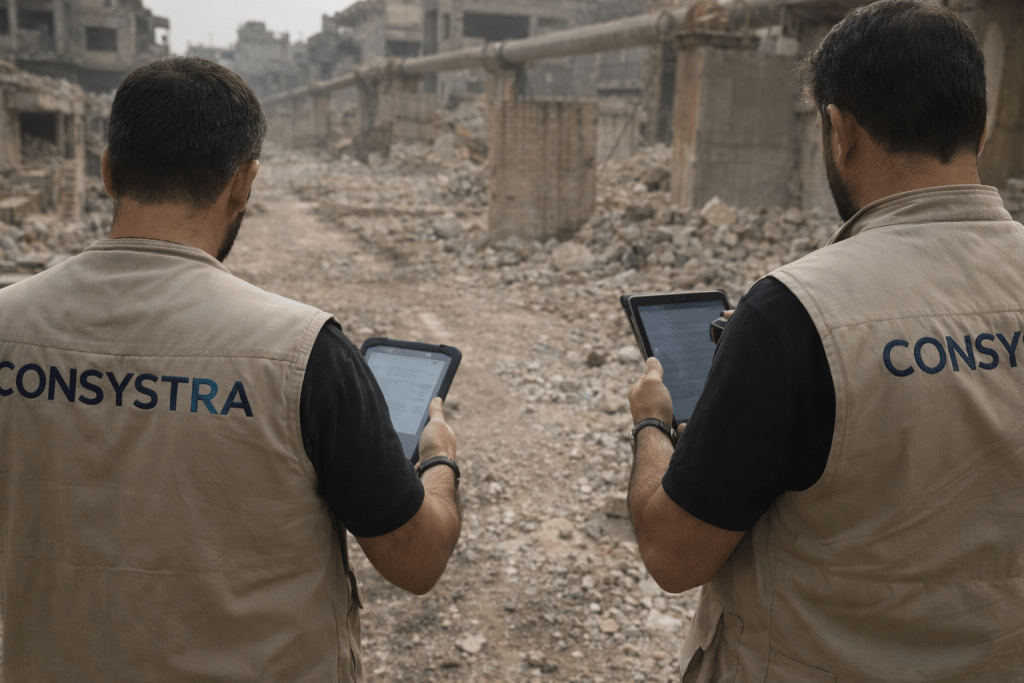
Discussing Company Aim — Fertilizer Roundtable (Homs)

Context
The General Fertilizers Company (GFC) in Homs remains a strategic node for agriculture. Historic design capacities and reported restarts (e.g., 900 t/day ammonia–urea resumption in 2017) informed a reality check on what’s feasible in 2025. The wider backdrop: worst-in-decades drought and a sharply reduced wheat outlook, which sharpened the urgency of reliable fertilizer supply.
Problem
Management aims were aspirational but not sequenced against power availability, feedstock, and rail/road bottlenecks—leading to missed promises to agro-dealers.
What we did
- Convened quarterly supplier–transporter–power utility roundtables with a shared throughput dashboard (planned vs. actual, power hours, rail share, trucking SLAs).
- Prioritized aims as: (1) power stability (hours/day), (2) feedstock sequencing (ammonia/urea), (3) transport reliability (rail first)—then product mix.
- Piloted “harvest windows” where agro-dealers pre-book allocations based on water-stress maps.
Results (two quarters)
- On-time deliveries to dealers improved from 62% → 79%.
- Rail share rose from 9% → 18%, freeing trucks for last-mile.
- Missed monthly production targets still occurred, but forecast accuracy improved (MAPE –24%).
Lesson
Publicly agreeing the aim hierarchy with hard reference data (design capacity, power hours, drought context) prevents over-promising and guides credible recovery steps.